
How to Plan Your First National Park Trip: A Beginner’s Guide
How to Plan Your First National Park Trip
Visiting a national park for the first time is exciting, but figuring out where to start can feel a little overwhelming. With so many parks, landscapes, hiking trails, and travel options to choose from, it’s easy to spend more time researching than actually planning the adventure.
The good news is that a memorable national park trip doesn’t have to involve difficult hikes, expensive equipment, or weeks of complicated preparation.
Whether you’re hoping to see towering mountains, walk among giant trees, explore desert landscapes, or simply enjoy a scenic drive, a little preparation can make the entire experience more enjoyable.
Here’s how to plan your first national park trip, from choosing the right destination to packing your bag and getting ready to explore.
Affiliate disclosure: This post contains affiliate links. If you purchase through these links, I may earn a commission at no additional cost to you.
Affiliate disclosure: This post contains affiliate links. If you purchase through these links, I may earn a commission at no additional cost to you.
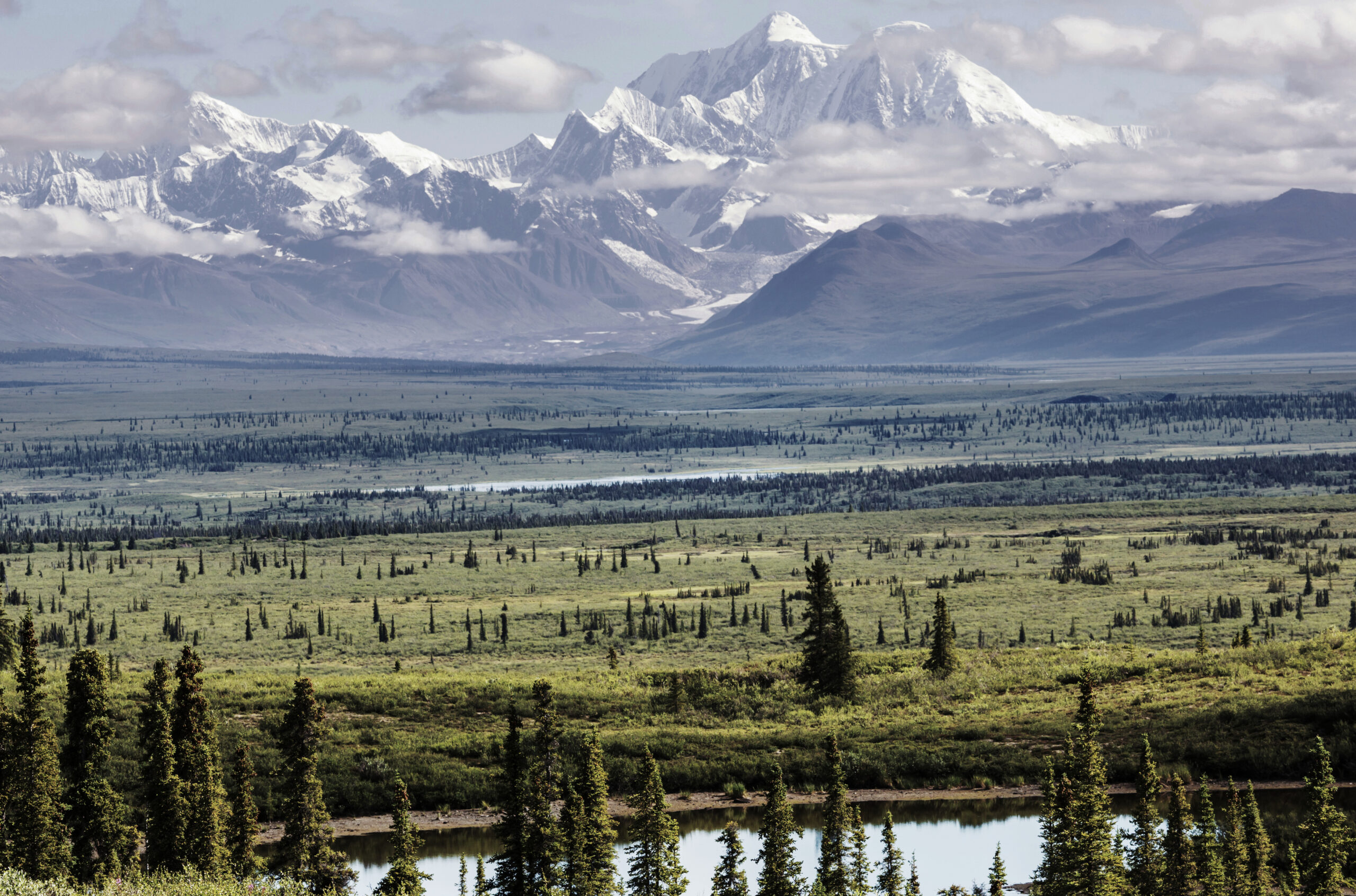
Choose the Right National Park for Your Trip
The first step is deciding what kind of experience you’re hoping to have.
National parks offer everything from dramatic mountain scenery and coastal landscapes to caves, forests, deserts, and wildlife viewing. Some destinations are perfect for scenic drives and short walks, while others appeal to visitors who want longer hikes or more remote adventures.
Before choosing a park, consider:
What scenery interests you most? Mountains, deserts, forests, coastlines, or something else?
How far are you willing to travel? A nearby park may be better for a weekend, while a distant destination might deserve a longer vacation.
What activities do you enjoy? Sightseeing, photography, hiking, wildlife watching, camping, or road trips?
Who is traveling with you? Consider everyone’s interests, mobility, and comfort level.
For a first visit, I’d prioritize somewhere with a good variety of accessible viewpoints and activities. That gives you options if the weather changes or a particular trail turns out to be more challenging than expected.
The National Park Service’s Plan Your Visit page is a useful place to start exploring destinations.
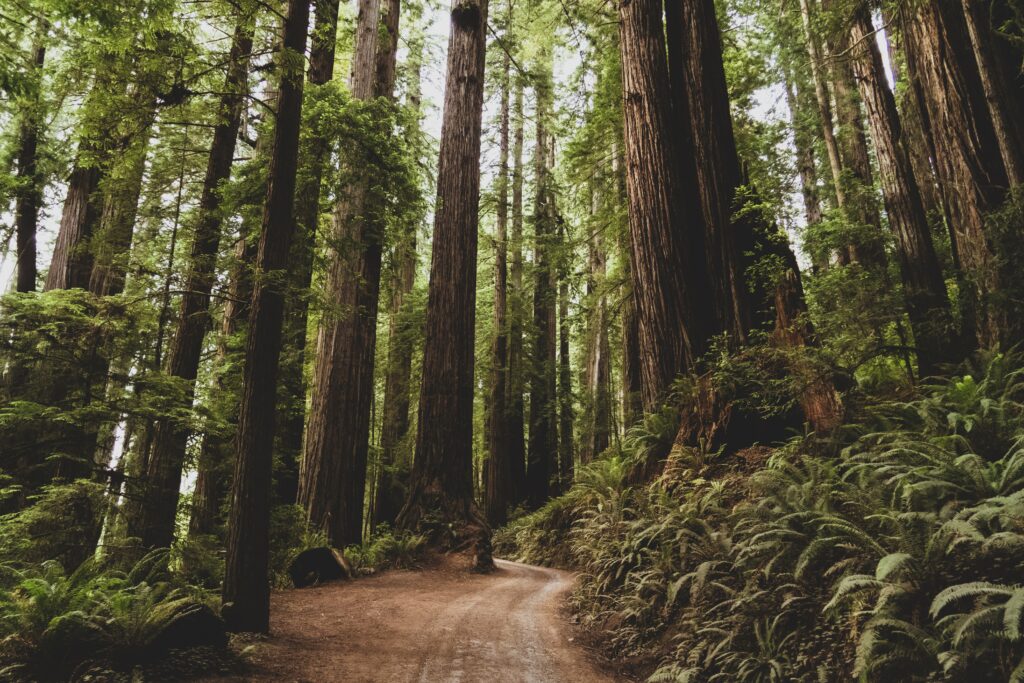 Redwood
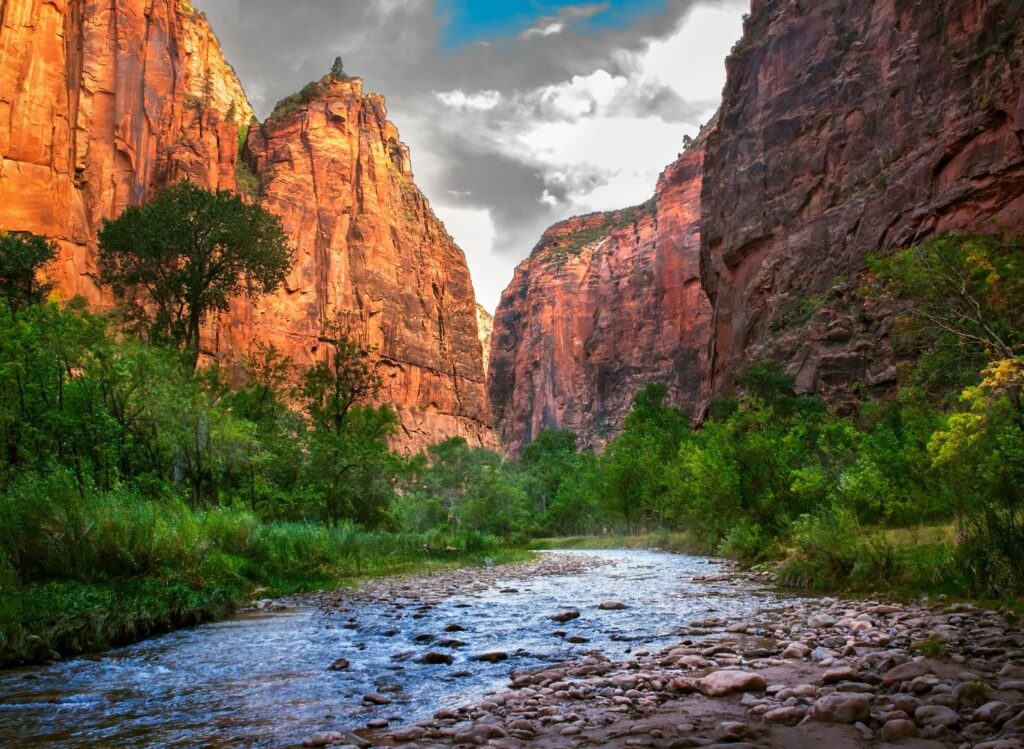 Zion
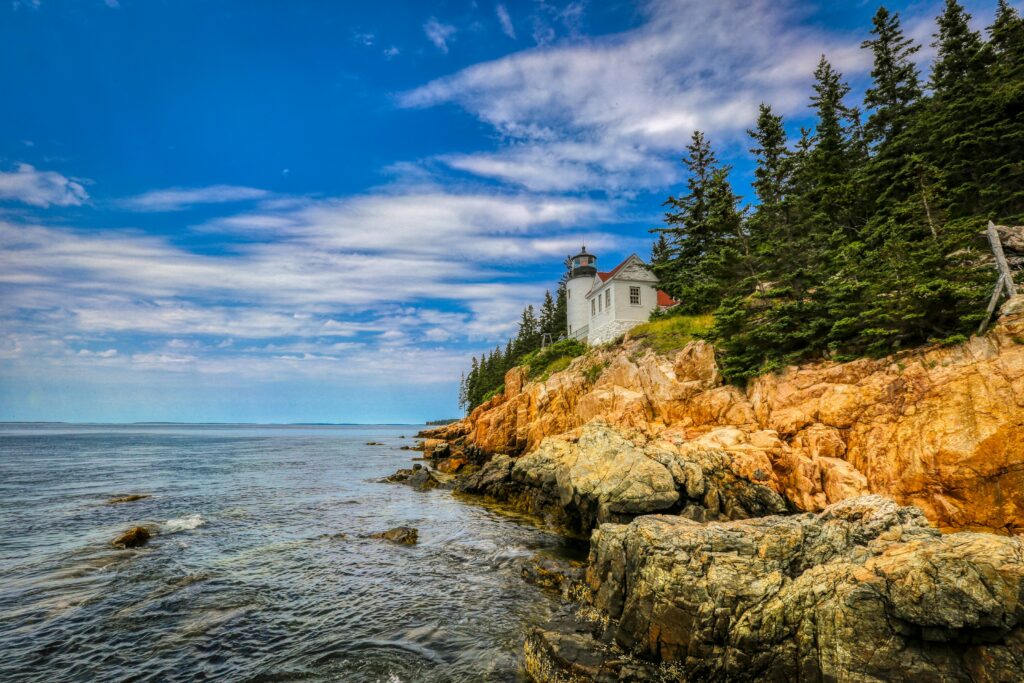 Acadia
Decide When to Visit
The time of year can completely change a national park experience.
Summer may offer longer daylight hours and access to higher-elevation roads, but it can also bring crowds and extreme heat. Spring and fall can be appealing alternatives, although seasonal weather and closures may affect what you can see. Winter offers a different perspective, but some parks have limited road or facility access.
Before choosing travel dates, research:
Don’t assume every national park is best in summer. A desert park that becomes dangerously hot during the warmer months might be much more enjoyable in another season.
My suggestion: Choose the destination first, then research its ideal visiting season before booking flights or accommodations.
Check Entrance Fees, Reservations, and Permits
This is one of the most important steps, especially for popular parks.
Depending on the destination, you may need an entrance pass, a timed-entry reservation, a separate vehicle reservation, a camping reservation, or a permit for a particular activity.
An entrance pass doesn’t automatically guarantee access to every road, trail, or activity.
Before your trip, visit the park’s official website and check the Fees & Passes, Plan Your Visit, and Current Conditions sections.
Pay particular attention to:
If you’re visiting several parks, investigate whether an America the Beautiful pass makes sense for your itinerary. Pass options, eligibility, and fees can change, so compare the current details rather than relying on an older travel article.
You can review official National Park Service entrance pass information.
Plan a Realistic Itinerary
One of the easiest mistakes to make is trying to fit too much into a single day.
It’s tempting to plan every famous viewpoint, hiking trail, waterfall, and scenic stop. But national parks are often much larger than they appear on a map, and driving between attractions can take longer than expected.
Instead, identify three priorities:
Your must-see experiences: The viewpoints, landscapes, or activities you’d be most disappointed to miss.
Your secondary stops: Interesting places to visit if the day is going smoothly.
Your backup plan: Something easier or more accessible if weather, traffic, or trail conditions interfere with your original itinerary.
For a park with plenty of roads and short walks, one full day may provide a satisfying introduction. Larger destinations or trips involving multiple hikes often deserve several days.
Build in extra time for parking, meals, scenic pullouts, visitor centers, and unexpected discoveries. Some of the most memorable travel moments happen when you aren’t rushing to the next stop.
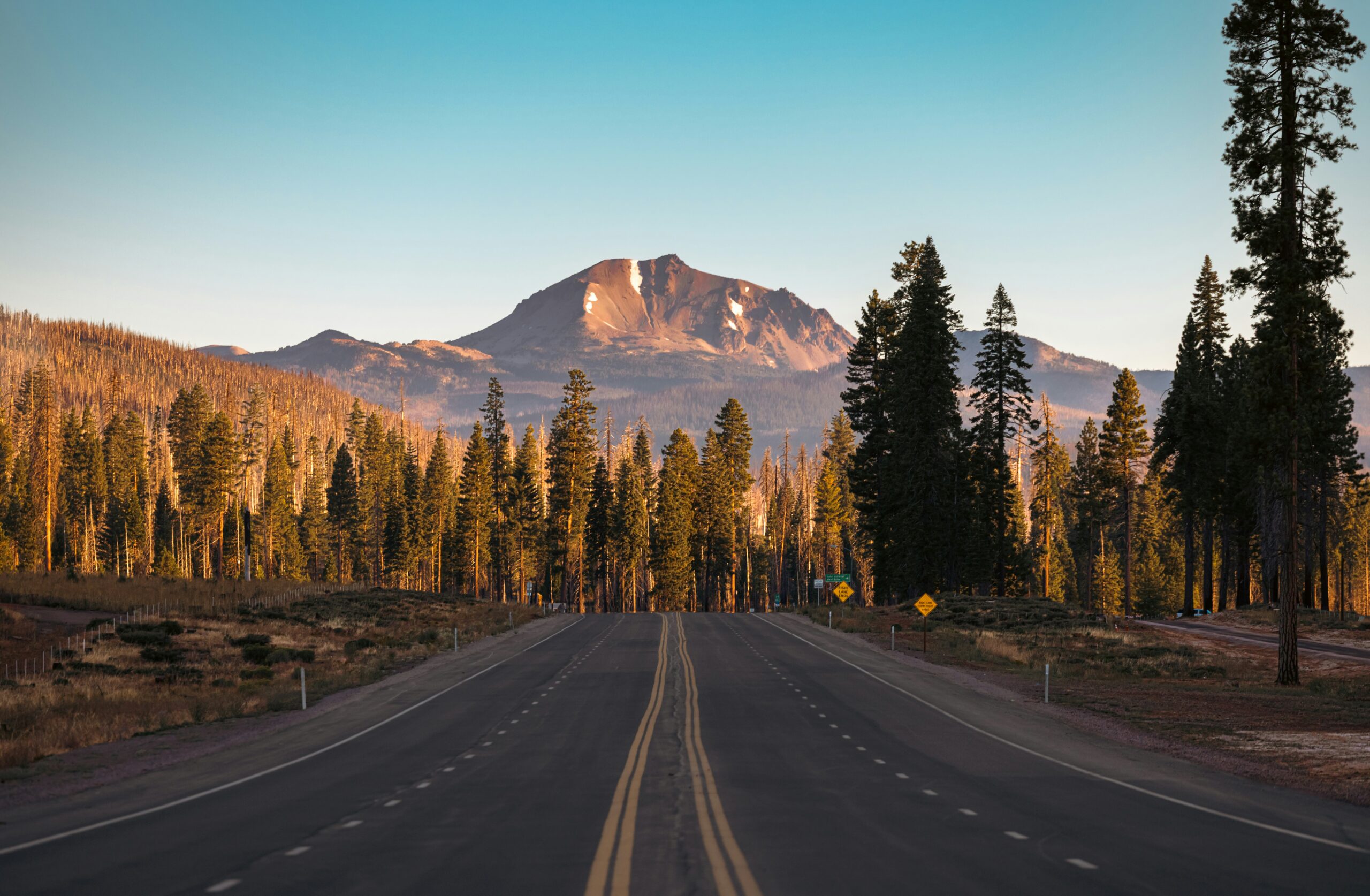
Choose Hiking Trails That Fit Your Experience
You don’t need to be an experienced hiker to enjoy a national park.
Many parks have scenic overlooks, accessible paths, short nature trails, and ranger-led activities that make it possible to experience beautiful landscapes without committing to a strenuous hike.
If you want to explore on foot, begin by researching each trail’s:
Don’t judge a trail by distance alone. A short route with significant elevation gain, heat, slippery surfaces, or exposed terrain may be more demanding than a longer walk on level ground.
The National Park Service recommends selecting hikes appropriate for your group’s abilities and leaving a trip plan with someone outside your hiking party, particularly for longer or remote outings.
If you’re unsure, ask a park ranger for recommendations.
You can also review the official NPS hiking safety guidance.
Figure Out Where to Stay and How to Get Around
Your lodging and transportation choices can have a major impact on how much time you spend enjoying the park.
Depending on the destination, accommodations might include hotels in nearby towns, cabins, park lodges, campgrounds, or vacation rentals.
Staying close to the park can reduce driving time, but availability and prices may be less convenient during busy seasons.
Consider these questions before booking:
For road trips, download your route ahead of time and identify practical stops for food, fuel, or charging.
Also check whether the park’s roads allow your intended vehicle, particularly if you’ll be driving an RV or towing a trailer.
Pack the Essentials Without Overpacking
What you bring depends on the park, season, and activities, but a few basics are useful on almost any outdoor adventure.
For a typical day of sightseeing and short hikes, think about packing a comfortable daypack with water, snacks, appropriate clothing, sun protection, and basic safety supplies.
Basic National Park Packing List
For hiking, the National Park Service recommends preparing with the Ten Essentials, which cover important navigation, emergency, and outdoor safety needs.
Your phone shouldn’t be your only plan for navigation or emergencies. Batteries can fail, and cell service is unreliable in many remote areas.
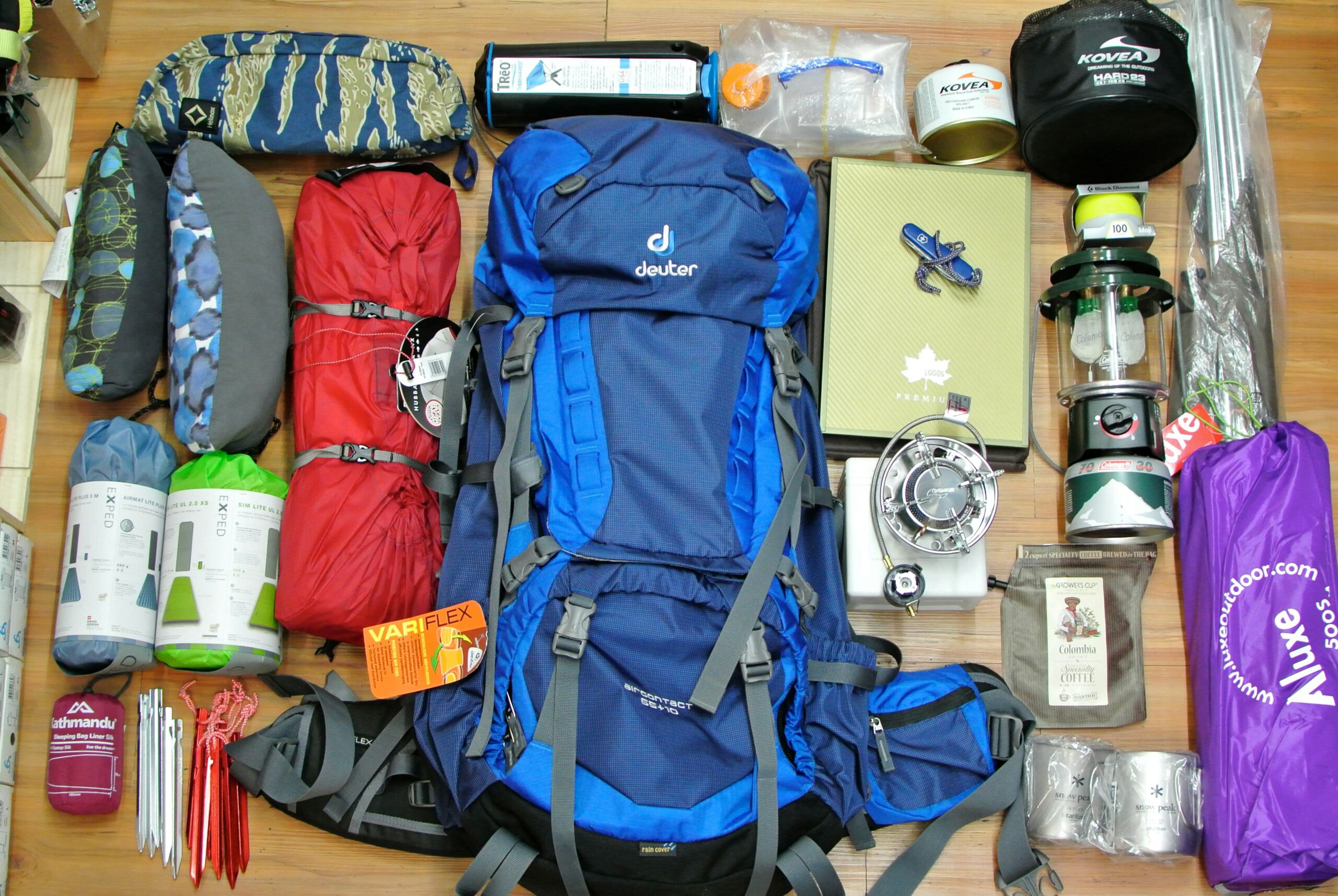
A Few Useful Travel Accessories
A comfortable daypack, dependable water bottle, and portable charger can make it easier to stay organized throughout the day.
You don’t necessarily need the most expensive outdoor gear. Choose items that fit the conditions and activities you’ve actually planned.
For more recommendations, you can also explore the KrisSid Designs Gifts for Hikers and Gifts for National Park Lovers guides.
Understand National Park Safety and Etiquette
National parks offer incredible opportunities to experience nature, but it’s important to remember that these are protected landscapes with real environmental hazards.
Weather can change quickly, wildlife is unpredictable, and some areas may have limited access to emergency assistance.
A few habits can help keep your visit safe and responsible:
Stay on designated trails. Respect closures and avoid shortcuts that damage sensitive landscapes.
Keep your distance from wildlife. Never approach or feed wild animals, even when they appear calm or accustomed to people.
Check the forecast and current alerts. Conditions at high elevations, in canyons, or in remote areas can differ significantly from nearby towns.
Bring enough water and food. Don’t assume drinking water or food will be available along your route.
Pack out your trash. Leave natural objects, plants, and historical features where you find them.
Know when to turn around. Changing weather, fatigue, or unexpected obstacles are valid reasons to adjust your plans.
Each park has its own rules for activities, pets, wildlife viewing, camping, and food storage. Always follow the guidance for the specific place you’re visiting.
Download a National Park Trip Checklist
When you’re juggling reservations, directions, packing lists, and places you want to visit, it’s easy to forget a small but important detail.
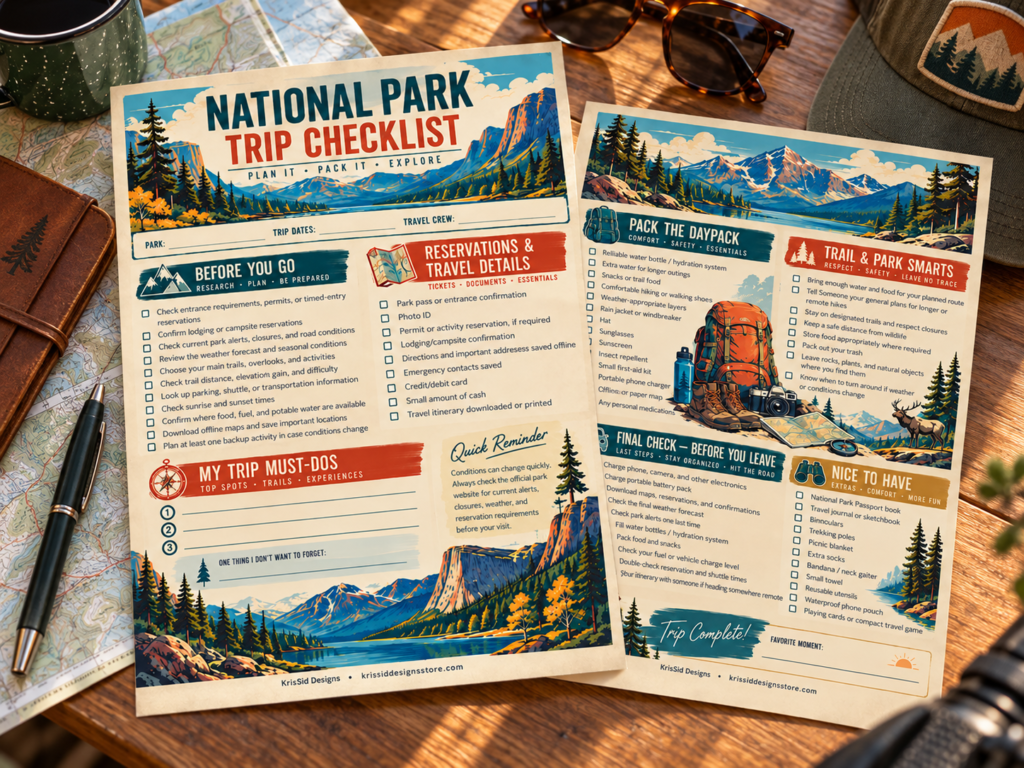
That’s why I put together a free National Park Trip Checklist to make the preparation process easier.
The printable two-page guide covers trip planning, reservations, daypack essentials, park safety, and final reminders before you leave.
It’s designed to be something you can actually use while getting ready for your adventure, whether you’re visiting one park or planning a longer road trip.
Download the Free National Park Trip Checklist
Do One Final Check Before Leaving
Even a well-planned trip can be affected by last-minute changes.
Before heading out, take a few minutes to double-check the essentials.
A few days before your trip:
The night before:
A little preparation now can leave you with more time to appreciate the trip once you arrive.
Also check whether the park’s roads allow your intended vehicle, particularly if you’ll be driving an RV or towing a trailer.
Frequently Asked Questions
Continue Exploring
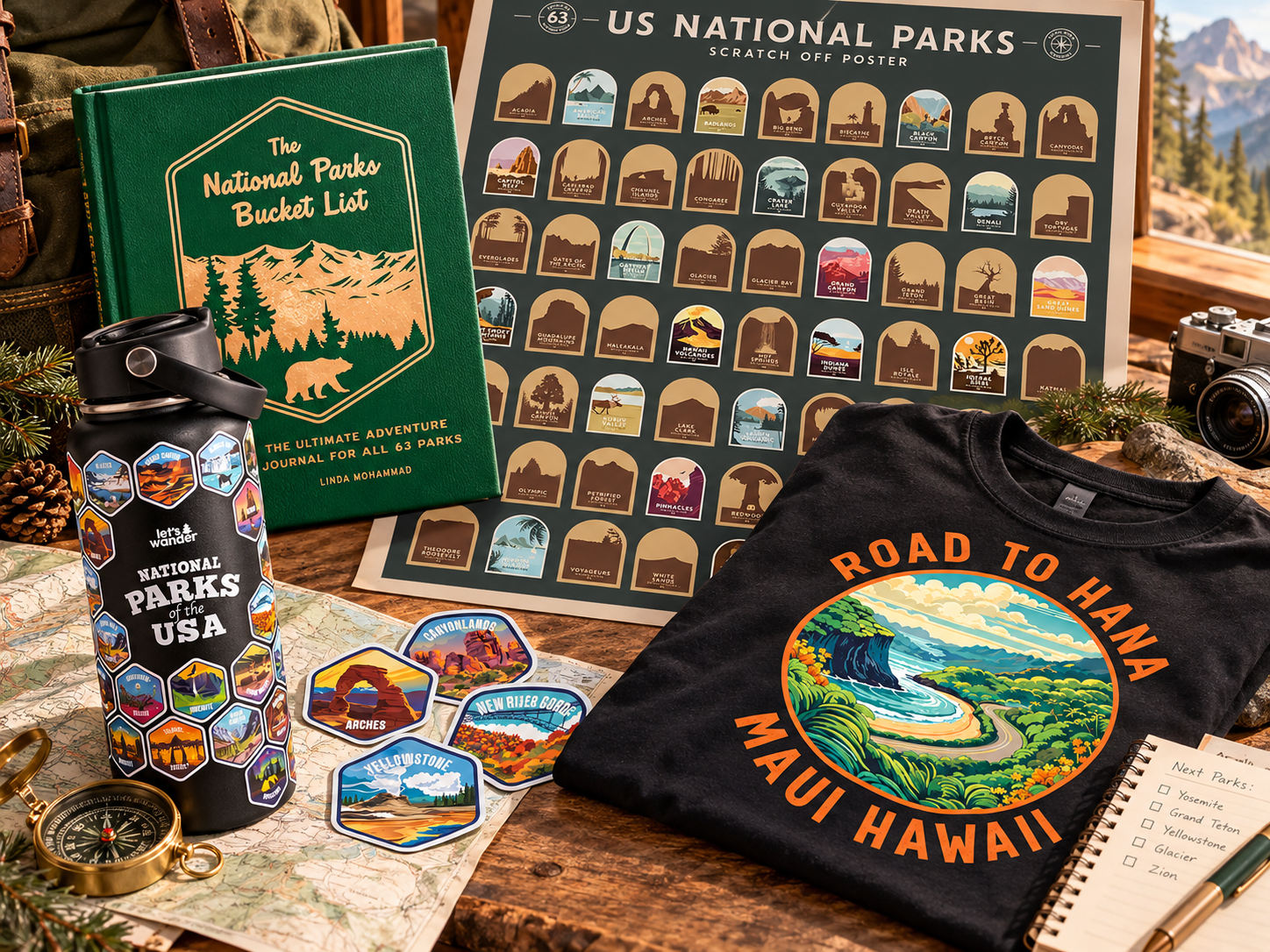
Gifts for National Park Lovers
Gifts inspired by America’s national parks, scenic landscapes, hiking trips, and outdoor adventures.
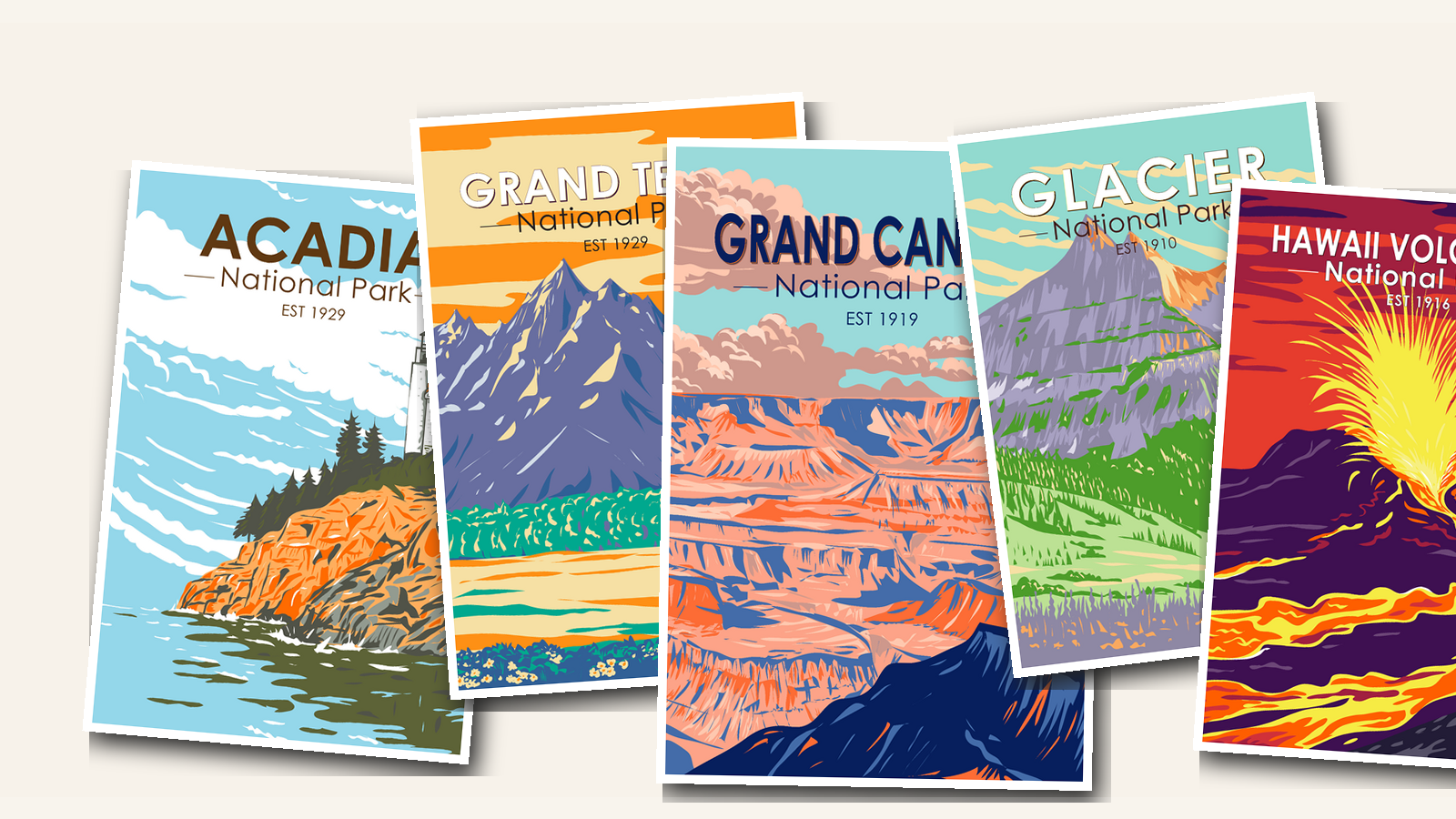
Explore National Park Art
Discover vintage-inspired artwork celebrating America’s national parks, iconic landscapes, and unforgettable outdoor destinations.
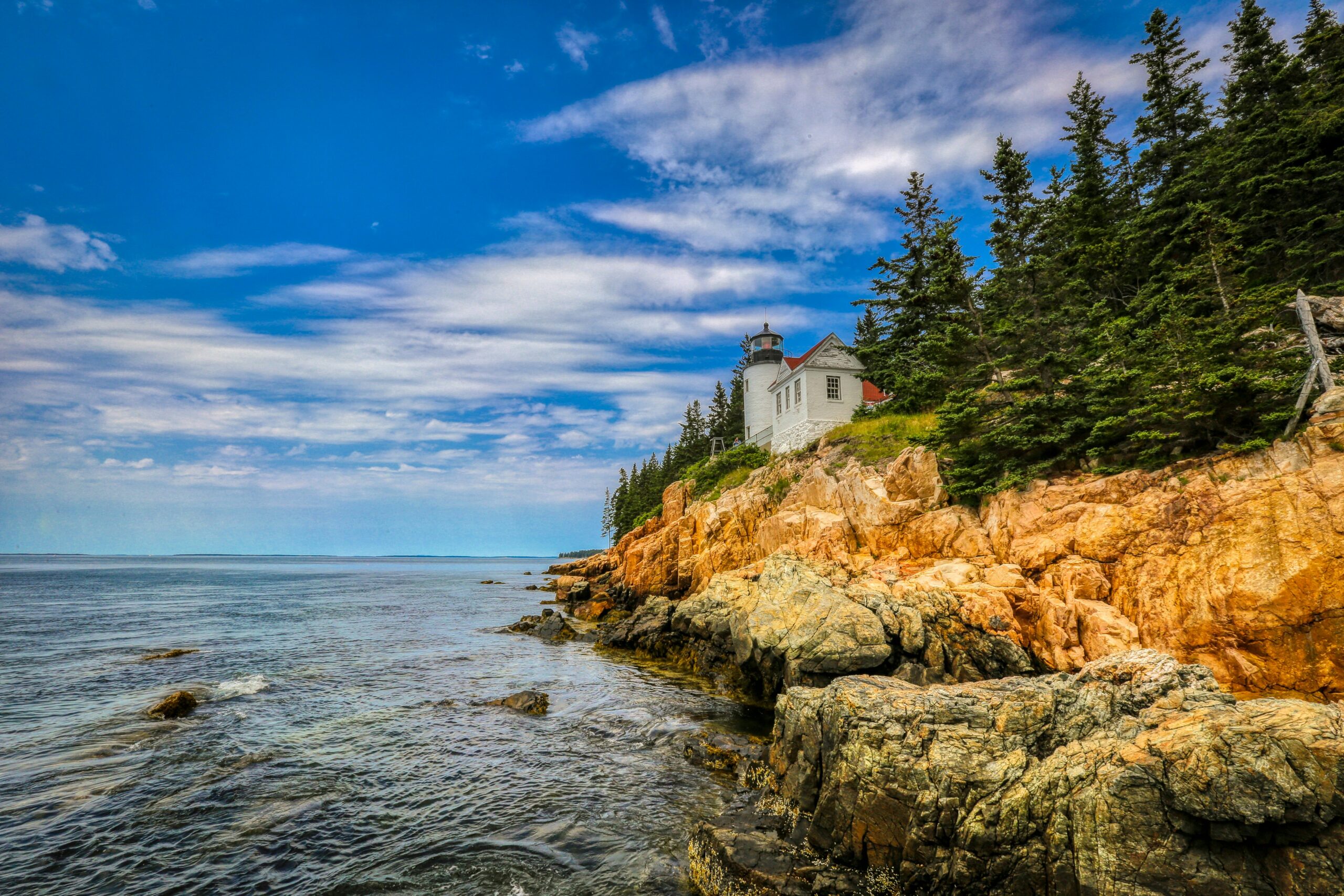
Browse the Travel Blog
Explore destination guides, scenic road trips, outdoor adventures, and practical travel tips to inspire your next journey.


